Nobody’s Perfect but if You’re a Nurse You’re Pretty Damn Close
As an embroidery designer and product reviewer, I’ve evaluated countless machine embroidery designs over the years. Some are perfect for quick projects, while others require careful consideration before use. Nobody’s Perfect but if You’re a Nurse You’re Pretty Damn Close is one of those designs that feels both personal and professional, making it a strong candidate for a variety of embroidery projects. Let’s dive into how this design performs in real-life situations and what to keep in mind when using it.
The First Impression: A Design That Speaks Volumes
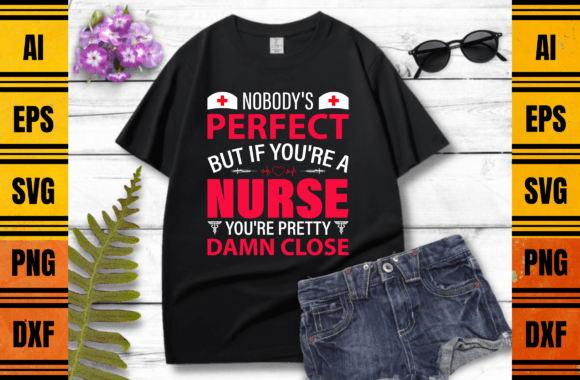
From the moment you lay eyes on Nobody’s Perfect but if You’re a Nurse You’re Pretty Damn Close, it immediately conveys a sense of warmth, humor, and respect for the nursing profession. The layout is clean and balanced, with a central message that’s easy to read and visually appealing. The typography is modern yet approachable, making it suitable for both casual and semi-formal settings.
The design’s theme is straightforward—celebrating nurses in a way that’s both heartfelt and lighthearted. It’s the kind of design that could easily be adapted for custom apparel, embroidered patches, or even personalized gifts. The level of detail is moderate, which means it won’t overwhelm smaller hoop sizes or delicate fabrics, but still offers enough visual interest to stand out.
Real-Life Embroidery Use Cases
One of the first projects I considered for this design was a custom embroidered tote bag for a local nurse. Tote bags are a popular item among craft businesses and Etsy sellers, and this design would make a great statement piece. The size and shape of the design allow it to fit well on the front of a medium-sized tote without looking cramped or too large.
For sweatshirt embroidery, Nobody’s Perfect but if You’re a Nurse You’re Pretty Damn Close would work well as a chest graphic. The font choice ensures readability at a distance, and the overall composition doesn’t require excessive stitch density, which helps prevent puckering on stretchy fabrics. It also pairs well with both light and dark color options, making it versatile for different fabric types.
When it comes to baby items like onesies or blankets, the design is appropriate but might benefit from a slightly larger font size to ensure clarity. It’s not overly detailed, so it should hold up well on thin or textured fabrics, though extra care may be needed to avoid thread breakage during stitching.
Where to Be Careful: Design Limitations and Best Practices
While Nobody’s Perfect but if You’re a Nurse You’re Pretty Damn Close is generally well-suited for most embroidery projects, there are a few areas where caution is advised. For instance, if you’re planning to use it on small hoop sizes, you may need to adjust the design or split it into sections to maintain quality. This is especially important for any intricate details or tight corners.
On textured or stretchy fabrics, the design may require additional stabilizer to prevent distortion. Thin or dark fabrics can also affect the visibility of certain thread colors, so it’s wise to test the design on a scrap piece before committing to a full project. If you're working with layered garments or curved surfaces like caps, the design may need slight modifications to ensure it sits properly on the fabric.
For commercial embroidery projects, it’s essential to confirm the licensing terms before selling finished products or digital embroidery files. While the design itself is clear and professional, the legal aspects of distribution and resale should always be verified.
Impact on Visual Appeal and Customer Perception
When used correctly, Nobody’s Perfect but if You’re a Nurse You’re Pretty Damn Close adds a unique touch to any handmade product or personalized gift. It has a strong emotional appeal that resonates with nurses, healthcare workers, and their supporters. This makes it a valuable asset for small shop merchandise, Etsy listings, or boutique branding efforts.
The design’s simplicity also contributes to its professionalism. It doesn’t rely on excessive embellishments or complex stitches, which makes it ideal for both beginner and advanced embroiderers. Its clean lines and readable text ensure that it looks polished on any finished product, whether it’s a custom apron, a holiday gift, or a branded item for a craft fair.
From a customer perspective, this design is likely to generate positive reactions. It’s relatable, respectful, and visually engaging, which makes it a strong contender for gift-giving or promotional items. When paired with the right fabric and stitching techniques, it can elevate the perceived value of a handmade product and encourage repeat purchases.
Practical Designer Notes: Testing and Preparation
Before finalizing any project with Nobody’s Perfect but if You’re a Nurse You’re Pretty Damn Close, I recommend testing the design on a scrap piece of fabric. This allows you to assess how the stitches interact with the material and whether any adjustments are needed. Pay close attention to the thread color contrast, especially if you’re using dark or patterned fabrics.
Reviewing the stitch density is also crucial. If the design is too dense, it may cause puckering or fabric distortion. On the flip side, if it’s too sparse, the design may look incomplete or lack definition. Checking the design in black and white mockups can help identify any issues with line weight or spacing that might not be obvious in color.
Finally, always confirm that the design is suitable for both personal and commercial use. If you’re planning to sell finished items or digital embroidery files, make sure you have the proper rights and permissions. This is especially important for craft businesses and Etsy sellers who rely on the integrity of their product offerings.